3. The Event Planning Timeline: What to Do From 12 Months to 30 Days Before Your Event
What to Do From 12 Months to 30 Days Before Your Event
A beautiful event begins long before the first guest arrives—but planning it does not have to take over your life.
Whether you are organizing a wedding, gala, milestone birthday, corporate dinner, or family celebration, the number of decisions can feel overwhelming at first. The secret is not doing everything immediately. It is knowing what deserves your attention at each stage.
Use this timeline as a practical starting point, then adjust it to match your event size, vendor availability, and priorities. If your celebration is less than a year away, do not panic—simply begin with the earliest unfinished steps and keep moving forward.
12 Months Before: Build the Foundation
Choose a Date—or a Few Options
Begin with a preferred date and two or three alternatives. Flexibility can make it easier to secure the right venue and vendors, particularly during popular event seasons.
Consider holidays, local events, school schedules, travel needs, and the experience you want guests to have. An outdoor ceremony may influence the season you choose, while a corporate or holiday event may need to work around a company calendar.
Book Your Venue
Your venue affects nearly every decision that follows, including capacity, event style, layout, rental needs, and vendor logistics. Before booking, ask what spaces are available, whether indoor and outdoor options are included, what is provided with the rental, and how much time is allowed for setup and cleanup.
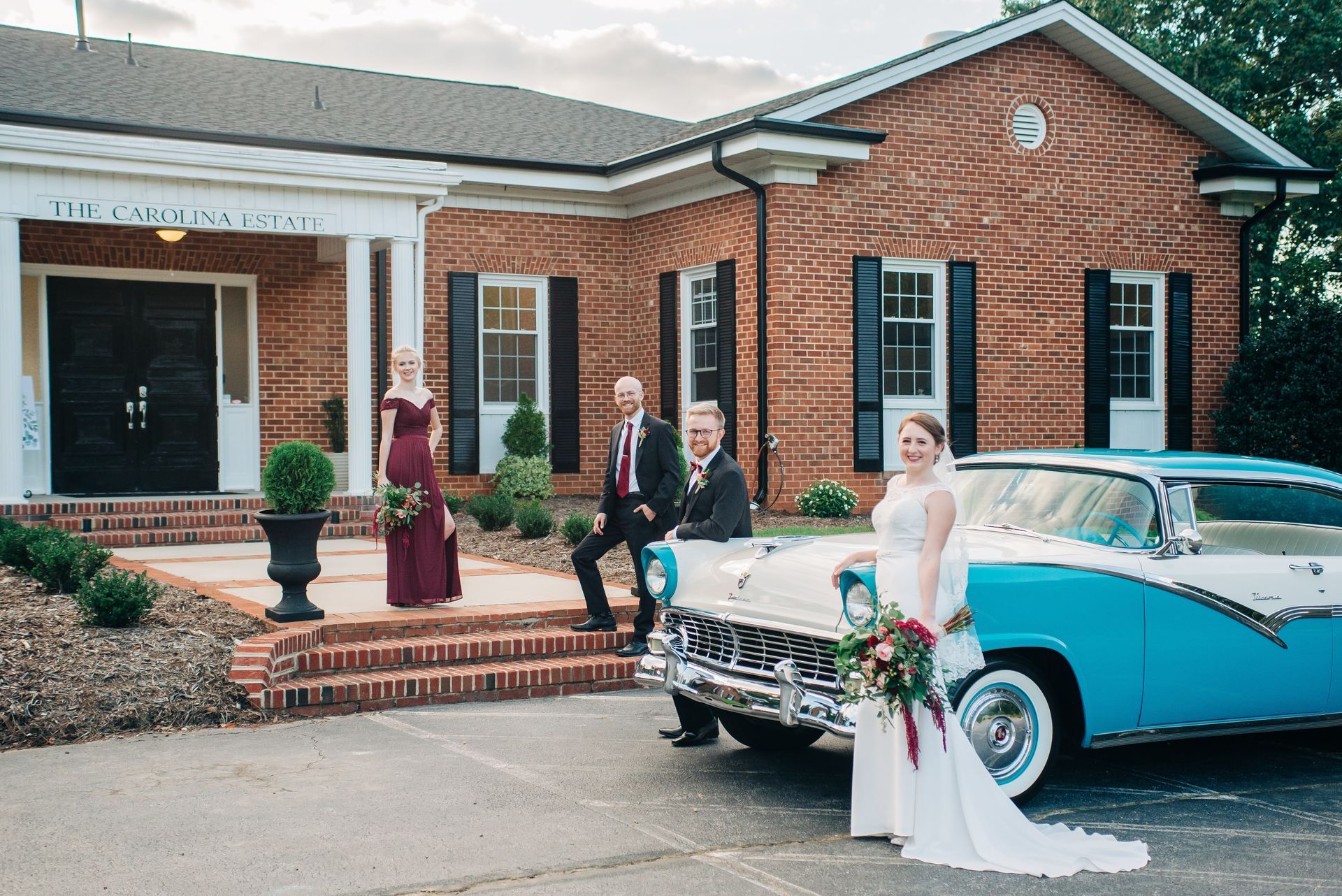
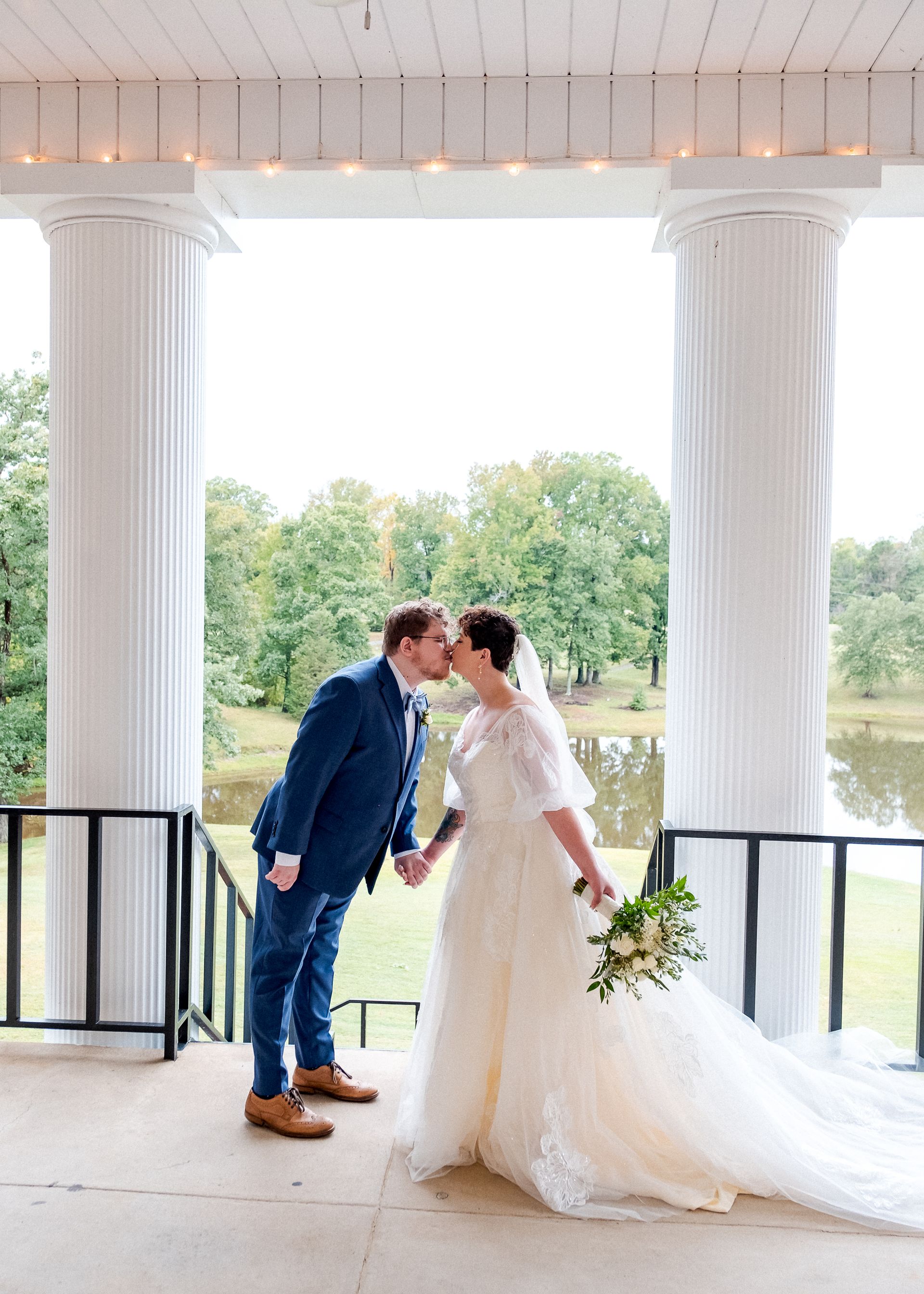
At The Carolina Estate, couples and event hosts can explore multiple indoor and outdoor settings in one location, making it easier to plan an event with a natural flow.
Establish a Realistic Budget
Decide on the total amount you are comfortable spending, then divide it into major categories such as venue, food and beverage, entertainment, décor, photography, attire, rentals, invitations, and transportation.
Leave a small portion unassigned for last-minute needs. Even the most carefully planned events tend to include a few unexpected expenses.
Begin Your Guest List
You do not need every name confirmed, but you do need a realistic estimate. Guest count affects the room, layout, catering, rentals, and overall budget.
Create three groups: must invite, would love to invite, and invite if space allows. This makes future decisions easier if your estimate needs to change.
6 Months Before: Bring the Vision to Life
Reserve Key Vendors
Book the professionals most likely to have limited availability first. Depending on your event, that may include the caterer, photographer, planner or coordinator, entertainment, florist, rental company, officiant, and transportation provider.
Review contracts carefully. Confirm arrival times, service hours, setup responsibilities, cancellation terms, payment schedules, and exactly what each package includes.
Send Save-the-Dates, If Needed
Save-the-dates are helpful for weddings, reunions, galas, and any event involving travel or a busy season. Include the date, general location, and a note that a formal invitation or more information will follow.
For smaller local gatherings, a formal save-the-date may not be necessary, but early notice is still thoughtful.
Select Your Theme, Colors, and Décor Direction
You do not need to match every detail perfectly. Start with the feeling you want guests to experience: romantic and timeless, modern and polished, warm and intimate, playful and colorful, or formal and dramatic.
Choose a simple color palette and a few repeating design elements. Let the venue’s existing character do some of the work so the décor enhances the setting instead of competing with it.
Think Through the Guest Experience
Imagine the event from a guest’s perspective. Where will they park? What will they see first? Where will they go next? Will they know where to place gifts, find refreshments, or locate their seats?
Planning these transitions early helps the event feel intentional from arrival through departure.
3 Months Before: Turn Ideas Into Decisions
Finalize the Menu
Confirm the meal format, menu selections, beverages, desserts, and any late-night snacks. Ask how dietary restrictions and allergies will be handled, and decide how guests will communicate those needs.
For a relaxed outdoor ending, optional s’mores kits at The Carolina Estate’s fire pit can add a memorable final treat.
Confirm Rentals
Review the floor plan and determine what still needs to be rented. This may include specialty linens, place settings, lounge furniture, staging, lighting, tents, bars, or décor structures.
Do not order based on estimates alone. Confirm quantities, delivery windows, pickup times, and who is responsible for setup.
Begin the Seating Plan
You may not have every RSVP yet, but you can begin grouping guests and thinking through table placement. Consider accessibility, family relationships, children, elderly guests, and proximity to speakers or entertainment.
For corporate events, arrange seating to encourage networking or collaboration. For galas and fundraisers, leave clear sightlines to the stage, auction displays, or presentation area.
Schedule Your Venue Walkthrough
A walkthrough turns a collection of ideas into a workable event plan. Bring your planner or key vendors when appropriate, along with questions about floor plans, power access, vendor arrival, ceremony transitions, décor placement, and weather alternatives.
Walk through the day in order—from the first vendor arrival to the final guest departure.
30 Days Before: Confirm, Organize, and Breathe
Confirm Every Vendor
Contact each vendor to verify the date, arrival time, service details, remaining balance, setup requirements, and primary contact person. Share the final event timeline and venue instructions with everyone who needs them.
Finalize the Timeline
Create one master schedule that includes vendor arrivals, setup, photography, guest arrival, major event moments, meal service, speeches, entertainment, and cleanup.
Build in breathing room. A timeline that is packed to the minute can create unnecessary stress when a photograph takes longer than expected or a speech runs over.
Complete the Final Guest Count
Follow up with anyone who has not responded and provide the final count to the venue, caterer, and rental company by their deadlines. Confirm meal selections, dietary needs, and accessibility requests.
Pack an Event Essentials Kit
Prepare one labeled container or bag with items that could be difficult to replace at the last minute. Consider including:
• Printed vendor contacts and timelines
• Phone chargers and extension cords
• Scissors, tape, safety pins, and stain remover
• Pain reliever and basic first-aid supplies
• Pens, markers, and extra place cards
• Touch-up items and comfortable shoes
• Copies of speeches, vows, or presentation notes
• Final payments or gratuities, clearly labeled
Assign one trusted person to keep track of the kit so you are not answering “Where is the tape?” while trying to enjoy your own event.
Planning Should Lead to Anticipation, Not Exhaustion
A strong timeline gives each decision its proper moment. Once the major details are confirmed, your job is no longer to rethink everything—it is to trust the plan and enjoy what you created.
Looking for a venue where your ceremony, celebration, photographs, and guest experience can come together in one beautiful location? Schedule a private tour of The Carolina Estate and begin planning your event with confidence.

The body content of your post goes here. To edit this text, click on it and delete this default text and start typing your own or paste your own from a different source.